ACL Reconstruction Surgery: Sports Medicine Expertise from Dr. Salinsky
ACL Reconstruction Surgery restores stability to a knee damaged by a complete anterior cruciate ligament tear. The ACL connects the thigh bone to the shin bone and prevents excessive forward movement and rotation. When fully torn—often during sports involving sudden stops, pivots, or jumps—the ligament cannot heal on its own. Active patients frequently need surgical reconstruction to return to sports or daily activities without instability.
Dr. Jared Salinsky, a board-certified orthopedic surgeon at the Center for Bone and Joint Disease, brings specialized sports medicine expertise to ACL Reconstruction Surgery. Practicing in the Tampa Bay area (Hudson, Brooksville, and Lutz locations) since 2005, he focuses on knees, arthroscopy, and sports injuries. His areas of expertise explicitly include ACL Reconstruction using bone-patellar tendon-bone graft techniques.
Understanding the Need for ACL Reconstruction Surgery
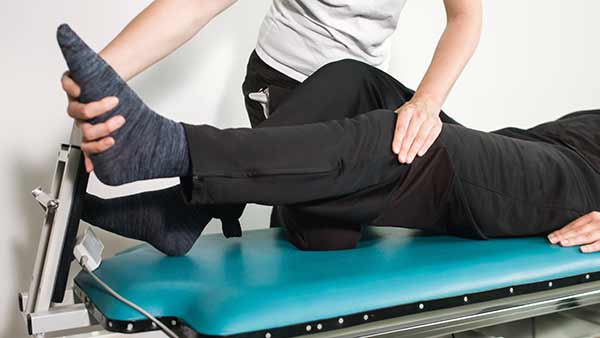
A torn ACL often causes swelling, pain, a “popping” sensation at injury, and a feeling that the knee gives way during cutting or pivoting movements. Diagnosis typically involves a physical exam, MRI, and assessment of activity goals. While some less-active patients manage with physical therapy and bracing, those who want to return to high-demand sports or experience ongoing instability usually benefit from reconstruction.
At the Center for Bone and Joint Disease, care begins conservatively whenever possible. Dr. Salinsky evaluates each patient individually, considering age, activity level, and associated injuries such as meniscus tears before recommending ACL Reconstruction Surgery.
How Dr. Salinsky Approaches ACL Reconstruction Surgery
ACL Reconstruction Surgery replaces the damaged ligament with a tissue graft. Common options include autografts (from the patient’s own patellar tendon, hamstring, or quadriceps) or allografts (from a donor). Dr. Salinsky’s listed expertise highlights the bone-patellar tendon-bone approach, valued for strong bone-to-bone healing in active patients.
The procedure is typically performed arthroscopically—using small incisions and a camera for precision. The surgeon removes remnants of the torn ACL, creates bone tunnels in the femur and tibia, positions the graft anatomically, and secures it with hardware. This minimally invasive method supports faster recovery and less tissue disruption compared with open surgery. The Center for Bone and Joint Disease emphasizes advanced surgical techniques alongside physical therapy support for comprehensive care.
Recovery and Returning to Activity
Recovery after ACL Reconstruction Surgery generally spans 6–12 months. Early focus includes controlling swelling, restoring range of motion, and progressive strengthening. Guided physical therapy is essential. Many patients gradually return to sports once strength, stability, and functional testing criteria are met. Dr. Salinsky’s practice prioritizes “keeping bodies in motion,” aligning rehabilitation with each patient’s goals—whether competitive athletics or everyday mobility.
Why Choose Dr. Salinsky and the Center for Bone and Joint Disease
With decades of experience treating sports injuries and performing knee procedures, Dr. Salinsky combines technical skill with patient-centered care. The Center for Bone and Joint Disease has served the Tampa Bay region since 1972, offering on-site imaging, therapy, and a team approach that starts with the least invasive options

If knee instability from an ACL injury is limiting your life, expert ACL Reconstruction Surgery can help restore confidence and function.
Contact the Center for Bone and Joint Disease at (727) 697-2200 or visit centerforboneandjoint.com / drsalinsky.com to schedule a consultation with Dr. Salinsky and explore personalized treatment options.