Shoulder Decompression Surgery
Shoulder Decompression Surgery is a common option for people whose shoulder pain and limited motion have not improved with rest, physical therapy, or injections. Board-certified orthopedic surgeon Dr. Jared P. Salinsky, D.O., has built a reputation for shoulder care, including Shoulder Decompression Surgery and rotator cuff repair, at The Center for Bone & Joint Disease in Hudson and Brooksville, Florida.
If overhead reaching, sleeping on your side, or daily activities have become painful, understanding this procedure can help you decide whether an evaluation is the next step.
What Is Shoulder Decompression Surgery?
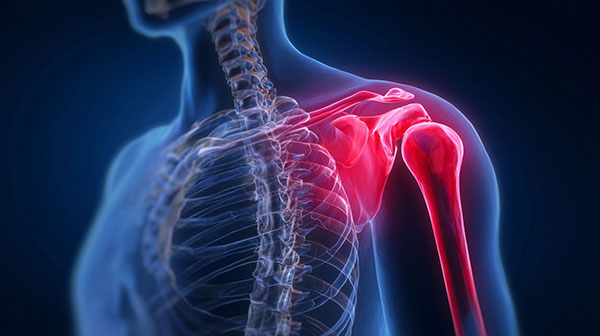
Shoulder Decompression Surgery (also called arthroscopic subacromial decompression or acromioplasty) creates more space in the area under the acromion—the bony roof of the shoulder. In that space sit the rotator cuff tendons and the bursa (a fluid-filled sac that reduces friction). When the space narrows from bone spurs, a hooked acromion, or thickened tissue, the tendons can get pinched. This is called shoulder impingement.
The procedure typically includes:
- Removing inflamed bursa (bursectomy)
- Smoothing or reshaping the underside of the acromion
- Releasing tight tissue when it contributes to pinching
It is usually done arthroscopically through small incisions using a camera and specialized instruments. Many patients go home the same day.
Dr. Salinsky emphasizes Shoulder Decompression Surgery as part of a broader approach to shoulder repair, often addressing related problems such as rotator cuff issues in the same setting when they are present.
When Is Shoulder Decompression Surgery Considered?
Most people with impingement start with non-surgical care: activity modification, anti-inflammatory measures, physical therapy focused on rotator cuff and scapular strength, and sometimes a corticosteroid injection. Surgery is generally discussed when these steps have been tried for several months and pain or function remains limited.
Typical symptoms that lead patients to seek evaluation include:
- Pain when lifting the arm overhead or behind the back
- Night pain that disrupts sleep
- Weakness or a catching sensation
- Pain that has not improved after conservative treatment
An exam, X-rays, and often an MRI help confirm whether structural narrowing or other findings (such as a rotator cuff tear) are present. Isolated decompression is one option; it is frequently combined with other procedures when additional pathology is found.
How Shoulder Decompression Surgery Is Performed
Shoulder Decompression Surgery as a minimally invasive arthroscopic procedure. Small portals allow a camera and instruments into the subacromial space. The inflamed bursa is cleared, bone is carefully reshaped to enlarge the outlet, and the rest of the shoulder is inspected so other problems can be treated if needed.
Compared with older open techniques, the arthroscopic approach generally means smaller incisions, less disruption of surrounding tissue, and a more comfortable early recovery for many patients. Exact details depend on your anatomy and any additional work required.

Recovery After Shoulder Decompression Surgery
Recovery is individualized. When Shoulder Decompression Surgery is performed alone, a sling is often used for comfort for a short period, and early gentle motion is encouraged to reduce stiffness. Physical therapy typically begins soon after surgery to restore motion and then strength.
If a rotator cuff repair is done at the same time, the protocol is more protective and the timeline is longer. Full recovery can take several months. Following your surgeon’s and therapist’s instructions is the most important factor in a good result.
Dr. Salinsky’s practice philosophy centers on “Keeping Bodies in Motion”—restoring range of motion and function so patients can return to the activities that matter to them.
Why Choose Dr. Jared Salinsky for Shoulder Decompression Surgery
Dr. Jared P. Salinsky, D.O., is a board-certified orthopedic surgeon (American Osteopathic Board of Orthopedic Surgery) who has practiced at The Center for Bone & Joint Disease since 2005. He was born in Miami, completed his D.O. degree at the Philadelphia College of Osteopathic Medicine (the same school as his mother), and finished orthopedic surgery residency through Nova Southeastern University at Parkway Regional Medical Center. He has special training in shoulders and knees and is known locally for shoulder decompression and rotator cuff work.
He treats patients at two convenient offices:
- Hudson: 7544 Jacque Road, Hudson, FL 34667 — (727) 697-2200
- Brooksville: 10221 Yale Ave, Brooksville, FL 34613 — (352) 596-0900
Hospital and surgery-center affiliations include Regional Medical Center Bayonet Point, Oak Hill Hospital, Morton Plant North Bay Hospital, and Bayonet Point Surgery and Endoscopy Center.
As an osteopathic physician, Dr. Salinsky brings a whole-person perspective to musculoskeletal problems while offering modern arthroscopic techniques. The Center for Bone & Joint Disease has served the Tampa Bay area for decades and provides on-site imaging at the Hudson location plus physical therapy resources.
Is Shoulder Decompression Surgery Right for You?
Not every painful shoulder needs surgery. The first step is an accurate diagnosis and a discussion of all options—conservative care, injections, and, when appropriate, Shoulder Decompression Surgery. Dr. Salinsky evaluates each patient’s history, exam, and imaging to recommend a plan tailored to their goals.
If shoulder pain is limiting your work, sleep, or favorite activities, a consultation can clarify whether this procedure—or another approach—is the best next step.
Call The Center for Bone & Joint Disease today to schedule an appointment with Dr. Jared Salinsky in Hudson or Brooksville.
Hudson: (727) 697-2200
Brooksville: (352) 596-0900
This article is for educational purposes and does not replace a personal medical evaluation. Individual results vary. Always discuss risks, benefits, and alternatives with your surgeon.