
The Four Compelling Reasons to Consider Knee Replacement Surgery

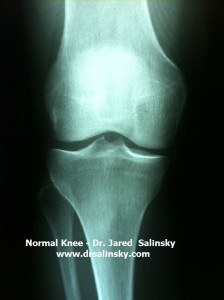
The Four Compelling Reasons to Consider Knee Replacement Surgery Knee replacement surgery, or knee arthroplasty, has become a standard treatment for severe knee pain and disability. Here are four reasons why someone might opt for this procedure: 1. Severe Pain and Disability: Arthritis Pain: Osteoarthritis, rheumatoid arthritis, or post-traumatic arthritis can lead to significant knee pain. When conservative treatments like medications, physical therapy, or injections no longer manage the pain effectively, knee replacement can offer … Click HERE for full article

Labral Tears

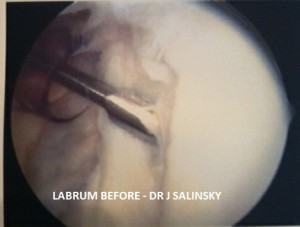
Labral Tears Labral tears can be a source of shoulder pain in anyone, but most often occur in the younger athletic population. They can result from shoulder dislocations or other traumatic pulls to the shoulder, but can also come from degenerative wear. They can also occur from motor vehicle accidents or falls. After an initial evaluation by the orthopedic surgeon and MRI arthrogram may be ordered to visualize a tear if one is present. Sometimes … Click HERE for full article

Outpatient Knee Replacement Surgery

According to the Center for Disease Control and Prevention there are 719,000 INPATIENT total knee replacement surgeries performed every year in the US. While it is not a routine procedure – it has become more common in the past 5-10 years. Dr. Salinsky has performed many successful Total Knee Arthroplasty (TKA) in the inpatient setting.  Now there is a new trend where the procedure can be completed in an Out Patient setting. CLICK HERE TO … Click HERE for full article

What is Platelet Rich Plasma Therapy?

You just got finished running 13.1 miles. You love running…this is your 10th half marathon. However, at mile 12, you feel a pain on the inside of your knee…a tight pinching kind of pain. You finish out your run, go home, elevate, compress and ice your knee as well as take an aspirin to help subside the pain and inflammation in your slightly swollen knee. Of course, you’re thinking, “I’ll be alright by tomorrow.” Tomorrow … Click HERE for full article